
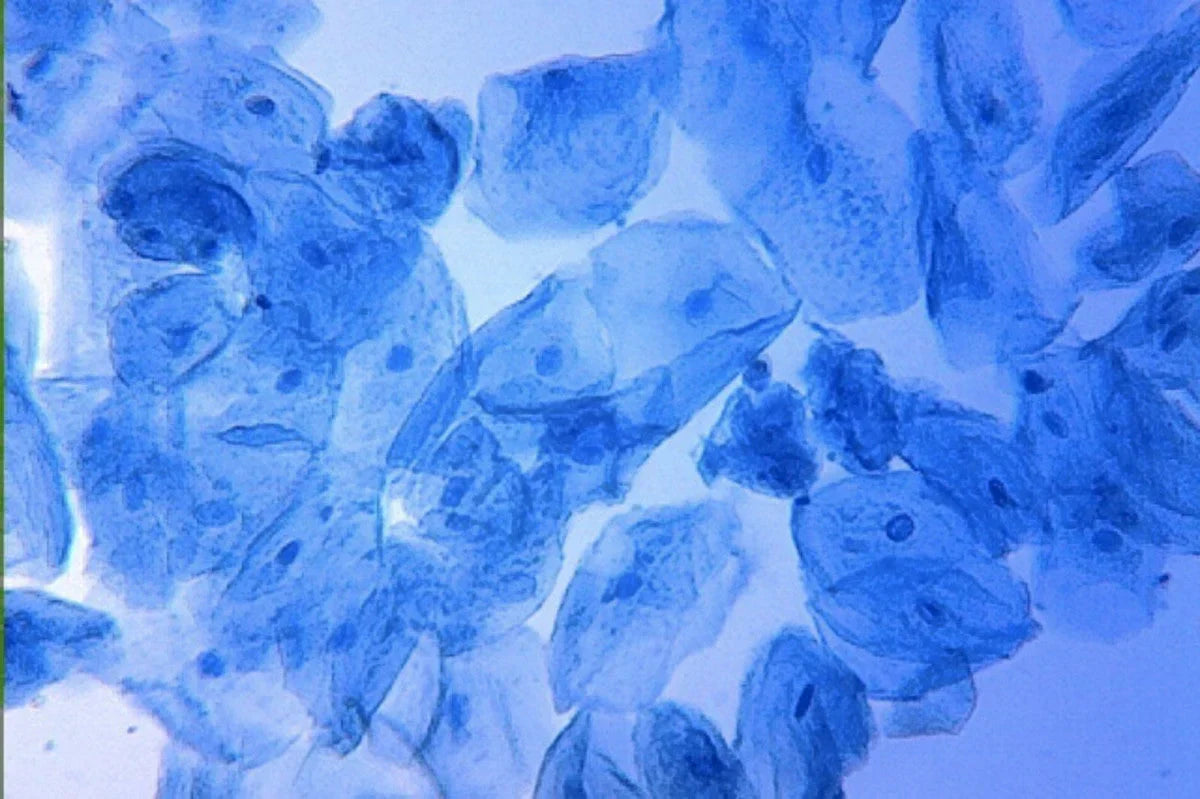
What Is Methylene Blue?
Methylene blue is a clinically important drug primarily used for the treatment of acquired methemoglobinemia, a condition in which hemoglobin is chemically altered and can no longer effectively carry oxygen. By restoring hemoglobin’s normal state through redox reactions, methylene blue improves oxygen delivery to tissues and is considered a key treatment in toxicological and emergency medicine.
Medical Uses: Approved and Off-Label Applications
Although its main FDA-approved use is for methemoglobinemia, methylene blue has a wide range of off-label clinical applications. It is used in surgical procedures to help visualize anatomical structures, in the treatment of vasoplegic shock where blood pressure becomes dangerously low, and for managing ifosfamide-induced neurotoxicity. It has also been explored in experimental settings for neurological diseases, psychiatric disorders, and certain cancers, although these uses are not yet supported by strong clinical evidence.
How It Works: Mechanism of Action
The drug works mainly as a redox agent and alternative electron carrier. In methemoglobinemia, it is converted into an active form that reduces oxidized hemoglobin back to its functional state. On a cellular level, it can support mitochondrial energy production by bypassing dysfunctional parts of the electron transport chain, which may reduce oxidative stress and improve cellular function. It also inhibits nitric oxide signaling pathways, which explains its ability to constrict blood vessels and increase blood pressure in vasodilatory shock.
Overall, methylene blue is a highly effective but complex medication with important life-saving applications in emergency medicine, as well as expanding but still experimental uses in other fields.


